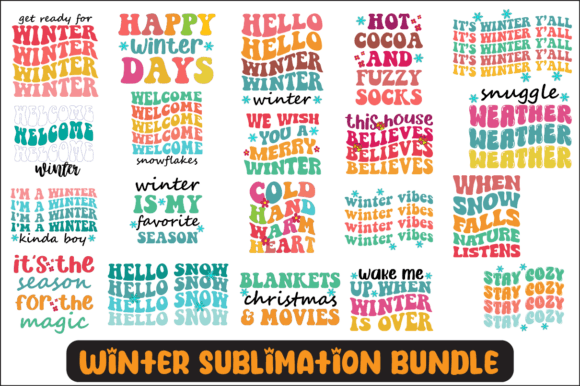
Winter SVG Sublimation Design Bundle
First Impressions: A Quiet, Cozy Visual Language
Opening the Winter SVG Sublimation Design Bundle feels like flipping through a well-curated sketchbook of seasonal warmth—not loud or flashy, but grounded in quiet motifs: snowflakes with subtle asymmetry, bundled mittens with visible stitching lines, minimalist evergreen sprigs, and soft-edged snowmen that avoid cartoonish cliché. These aren’t just clipart—they’re design assets built for translation into real-world texture. As an embroidery designer who’s stitched hundreds of holiday projects, I immediately notice how the linework breathes: generous negative space, balanced weight distribution across elements, and intentional simplicity in silhouette. That matters—because what reads cleanly on screen must also read clearly when rendered in thread.
Real-World Test: Stitching It onto a Linen-Cotton Kitchen Towel
Last week, I prepped a small-batch holiday line for my local boutique—linen-cotton tea towels, embroidered with seasonal designs and sold as curated kitchen gifts. I chose one of the smaller motifs from the Winter SVG Sublimation Design Bundle: a single stylized pine branch with delicate needle-like fill. Why? Because it scaled well inside a 4×4 hoop, avoided fine interior details that fray under repeated washing, and carried enough visual weight to stand alone without overcrowding the fabric’s natural slub. The result was clean, tactile, and quietly sophisticated—exactly what customers expect from handmade kitchen goods. It didn’t shout “winter”—it whispered it, and that made the finished product feel more intentional, less seasonal gimmick.
Where This Bundle Shines (and Where It Needs Thought)
The Winter SVG Sublimation Design Bundle leans into versatility—but not all surfaces are equal. Here’s how it performed across common use cases:
- Custom apparel: Works beautifully on mid-weight sweatshirts and hoodies where stitch definition holds. Avoid ultra-thin tees unless you reduce density or add lightweight cutaway stabilizer.
- Tote bag design: Excellent on canvas or duck cloth—clean outlines hold up to daily wear, and the moderate detail level reads well at arm’s length.
- Baby embroidery: Choose simpler motifs (like the mitten or snowflake outline) for onesies. Skip anything with tight internal curves or dense satin-stitch areas—baby fabrics shift, and stitching can pucker if tension isn’t dialed in.
- Embroidered patch: Ideal candidate. Most designs have clear outer borders and minimal gradient transitions—key for clean edge cutting and iron-on backing.
- Holiday embroidery & personalized gift: Strong emotional resonance without being overly literal. Customers respond well to its understated charm—especially for wedding guest favors or teacher gifts where subtlety reads as thoughtfulness.
Design Decisions That Impact Real Embroidery Outcomes
This bundle doesn’t include applique design files or multi-layered stitch sequences—but that’s not a flaw. It’s a signal: these are graphics meant to be interpreted, not followed blindly. As a designer, I treated each file as a starting point—not a final stitch-out. For example, the “snow globe” motif looked charming on screen, but its circular frame required careful hooping on curved surfaces like caps. On a baseball cap front, I simplified the inner detail to running stitch outlines only, preserving legibility without trapping thread in tight corners.
Thread colors matter more here than in busier designs. Because many motifs rely on shape and contrast rather than texture, using matte cotton or tonal polyester thread elevates the handmade product feel—glossy rayon can unintentionally push it toward sublimation territory, which blurs the line between digital print and true embroidery.
Where Caution Is Warranted
Don’t assume every design translates seamlessly. Watch for:
- Small hoop sizes: Some snowflake variations include tiny interior breaks—test stitch-outs before committing to 3×3 hoops.
- Textured fabrics: On bouclé or heavy terry cloth, simplify fill stitch areas or switch to tatami-style fills to prevent thread nesting.
- Dark fabric: The original SVGs lack built-in underlay suggestions—add a light-density fill layer beneath satin stitches to prevent shadowing on black or navy.
- Curved surfaces: Caps and baby beanies need reduced stitch density and strategic stop-points. The Winter SVG Sublimation Design Bundle gives you the art—but you supply the embroidery intelligence.
What This Bundle Adds to Your Craft Business
For Etsy sellers and small shop owners, this isn’t just another set of graphics—it’s a cohesive visual vocabulary. Used consistently across tote bags, pillow covers, and aprons, it builds brand recognition without requiring custom illustration. Customers begin to associate that clean, wintry rhythm with your shop’s aesthetic. More importantly, it supports professionalism: when a client orders a custom embroidered sweatshirt and receives something that looks both hand-finished and commercially polished, trust deepens. That perception is worth more than any single sale.
It also streamlines your workflow. Since these are SVG-based graphics, they scale cleanly for printable mockups—great for social media previews or digital product listings. Just remember: always confirm licensing terms before reselling the digital embroidery file itself or bundling it into kits. The description says “you can easily print this design on anything,” but commercial embroidery rights depend on the creator’s license—not assumptions.
Practical Designer Notes Before You Stitch
Before adding the Winter SVG Sublimation Design Bundle to your next project:
- Test the design on scrap fabric first—especially if using textured or stretchy material.
- Check thread color contrast against both light and dark fabric backgrounds using grayscale mockups.
- Review stitch density visually—some motifs may benefit from manual reduction in fill areas to prevent stiffness.
- Confirm hoop size compatibility; don’t force complex shapes into undersized hoops.
- Inspect small details like snowflake points or mitten seams—they often require slight enlargement for reliable stitch-out.
- Use proper stabilizer: tear-away for stable wovens, cutaway for knits, and water-soluble for delicate layers.
- Verify whether the design works for both personal and commercial embroidery projects—licensing clarity prevents future friction.